Affordable Made-to-Order Produce Boxes: Quality Packaging for All Budgets
Cost-effective personalized vegetable boxes are vital in modern business practices. They merge quality with affordability, rendering them available to a diverse array of organizations. These boxes enhance corporate image while also appealing to environmentally aware customers. Companies can accomplish this goal without taxing their financial resources. Learning the essential elements and substance selections will demonstrate how such packaging can enhance customer experiences. The next steps may hold the key to discovering greater success.
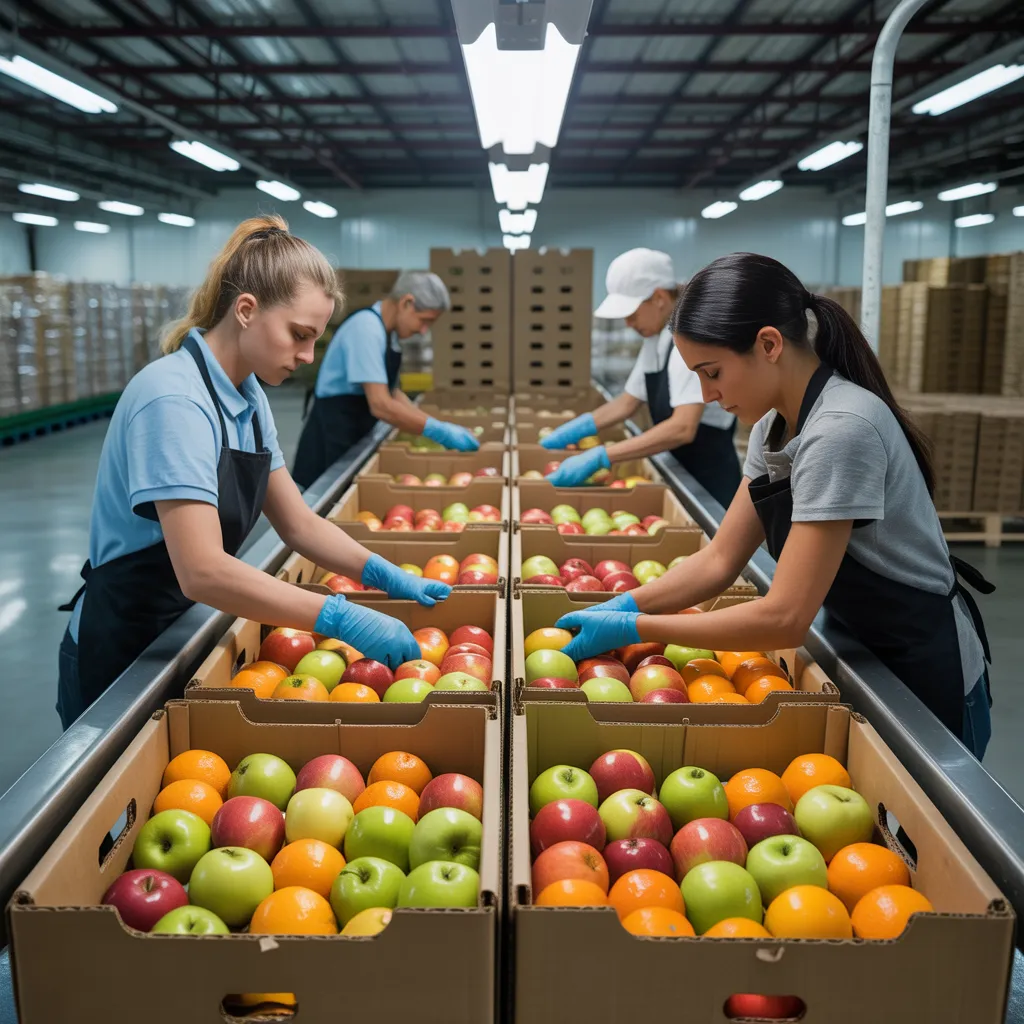
Specialized Produce Boxes: Why They Matter for Your Commercial Operation
Custom produce boxes play a key role in crafting a business's brand identity and elevating customer experience. These boxes are more than just assessment practical; they function as a visual representation, attracting attention and promoting recognition. Eye-catching designs and excellent materials express professionalism and care, positioning a business apart in a competitive market.
Furthermore, bespoke packaging permits companies to articulate their values, including sustainability or local sourcing, immediately to consumers. This connection fosters trust and loyalty, spurring repeat purchases.
Moreover, the correct packaging can enhance the unpacking experience, transforming a basic sale into a memorable event. As customers encounter unique packaging, they are prone to communicate their stories on social networks, expanding brand exposure.
Fundamentally, custom produce boxes protect products and play a vital role in marketing and customer engagement, making them a valuable investment for any business.
Key Characteristics for Affordable Customized Produce Packaging
Affordable custom produce packaging should emphasize specific features that equilibrate cost and functionality. First, durability is essential; packaging must endure handling and transportation without compromising the integrity of the produce. In addition, light materials can lower shipping costs while maintaining protection. Custom options, such as branding and size adjustments, improve marketability without greatly raising expenses.
Ventilation represents another key consideration; ventilated packaging solutions maintain freshness, lowering spoilage and waste. Additionally, simplified assembly and disassembly supports cost-effectiveness by improving the packing process. Eco-friendliness continues to gain importance; applying recyclable or biodegradable materials resonates with environmentally aware consumers, strengthening brand image. Finally, explicit labeling options enable inventory management and conformance with regulations. By highlighting these essential features, businesses can produce cost-effective custom produce packaging that addresses both functional and budgetary needs.
Analyzing Material Possibilities for Inexpensive Produce Boxes
When examining affordable custom produce boxes, selecting the right materials is vital. Cardboard and plastic alternatives each deliver unique advantages, affecting both cost and eco-friendliness. Moreover, exploring eco-friendly options can generate creative design solutions that achieve budget limitations while supporting ecological stewardship.
Cardboard Versus Plastic Options
While both cardboard and plastic serve as viable substances for produce boxes, their contrasting attributes can considerably influence cost and environmental concerns. Cardboard, typically more economical, offers exceptional tailoring options and is broadly recyclable, appealing to enterprises aiming for budget-friendly solutions. However, it fails to resist moisture adequately, potentially jeopardizing product integrity. On the other hand, plastic boxes furnish durability and impermeability to water, making them suitable for prolonged storage periods. They can be more costly upfront but are recyclable, which could offset costs over time. Ultimately, the choice between cardboard and plastic copyrights on specific needs, including financial constraints, product type, and anticipated longevity, highlighting the importance of evaluating both material options before making a decision.
Eco-Friendly Material Variations
Eco-friendly material choices play an important role in the design of affordable produce boxes, affecting both environmental impact and market appeal. Options such as post-consumer recycled cardboard and biodegradable materials are increasingly preferred for their sustainable properties. Post-consumer recycled cardboard reduces waste and minimizes the demand for virgin materials, making it a popular choice among environmentally conscious consumers. Additionally, biodegradable alternatives, such as plant-based plastics, offer an eco-friendly solution that decomposes without leaving harmful residues. These materials not only enhance the produce box's sustainability profile but also attract customers who prioritize eco-friendliness. Ultimately, selecting the right materials is critical for producers looking to balance affordability with environmental responsibility, contributing to a more sustainable packaging industry.
Cost-Saving Development Strategies
Investigating affordable design methods for affordable produce boxes uncovers a variety of material options that strike a balance between quality and price. Cardboard continues as a popular choice, supplying durability and lightweight properties at a low cost. Corrugated cardboard boosts structural integrity, making it appropriate for heavier produce while still being budget-friendly. For a more eco-conscious approach, recycled paperboard provides a sustainable option without forfeiting affordability. Additionally, plastic alternatives, such as biodegradable or reusable materials, can offer long-term savings despite higher initial costs. Each material exhibits unique benefits, permitting businesses to select based on their specific needs, securing that quality packaging remains accessible for all budgets while effectively protecting the contents within.
Cost-Effective Methods for Obtaining Custom Packaging
When obtaining custom packaging on a limited budget, companies can gain advantages through a strategic approach that prioritizes economic savings without compromising quality. First, comparing several vendors is crucial; this allows for a better understanding of price ranges and offered choices. Additionally, choosing standard sizes and designs can greatly reduce costs, as custom molds and unique shapes often generate increased costs.
A beneficial tip involves buying items in large quantities, which frequently results in reduced prices and decreased unit expenses. Besides, businesses should consider nearby vendors to reduce delivery charges and support community economies.
Lastly, investigating green materials can be cost-effective and appeal to environmentally conscious consumers. By executing these budget-friendly strategies, firms can secure quality custom packaging that fulfills their spending limits while still effectively serving their packaging objectives.
Boosting Your Produce Boxes With Custom Brand Identity
Custom marketing on packaging containers can profoundly affect customer perspective, making eye-catching designs essential for attracting attention. Moreover, incorporating sustainable materials not only enhances the aesthetic appeal but also aligns with rising eco-consciousness among consumers. Together, these elements can boost a brand's recognition and industry standing.
Eye-Catching Designs Are Significant
Compelling visuals serve an essential role in the marketing of produce boxes, substantially impacting customer perception and purchase decisions. A well-crafted box can draw attention on crowded shelves, enabling products to stand out. Unique imagery, vibrant hues, and readable lettering help communicate the brand's character and values, fostering a personal bond with consumers. Additionally, designs that showcase quality and excellence can improve the apparent value of the produce inside. Custom branding not only differentiates products from competitors but also encourages product loyalty among consumers. As customers increasingly look for visually appealing packaging, putting resources in striking designs becomes vital for companies aiming to boost revenue and create a lasting presence in the market.
Sustainable Material Options
Adopting green material alternatives for produce boxes strengthens their appeal and honors escalating customer demand for sustainable goods. Numerous enterprises are moving toward decomposable, organic-based, and recyclable materials, which lessen ecological consequences while maintaining product performance. Options like heavy-duty cardboard and plant-based bioplastics offer resilience and defense for produce items. Custom branding can be readily incorporated into these materials, helping organizations to articulate their environmental commitment. Employing green printing materials and minimal visual styles, firms can better accentuate their sustainability efforts. Ultimately, utilizing sustainable materials builds a favorable brand image and draws nature-conscious customers, producing a beneficial situation for everyone involving both commercial entities and the planet.
Case Studies: How Small Businesses Excelled Through Custom Produce Packaging
Small businesses have evolved their branding and sales strategies through innovative produce packaging solutions. One impressive example is a local organic farm that renewed its packaging to feature vibrant, eco-friendly boxes. This not only refined the farm's attractive presentation but also relayed its focus on environmental protection, resulting in a 30% increase in sales.
A case dealt with a small grocery store that put in place custom, labeled produce boxes. This method improved organization and customer experience, driving a 15% rise in repeat customers.
A third business, a community-supported agriculture (CSA) program, adopted customized wrapping showcasing local artwork. This distinctive strategy cultivated community engagement and loyalty, ultimately boosting membership by 25%.
These examples illustrate that effective custom produce packaging can greatly impact expansion of small enterprises, enhancing brand identity and building customer connections while remaining budget-friendly.
Frequently Asked Questions
What volumes do you need to buy tailored fruit and vegetable boxes?
Minimum order volumes for custom produce boxes commonly fall between 100 to 500 units, contingent on the supplier. Variables like design complexity and material preference also influence the required minimums for orders.
What Is the Timeframe for Getting Custom Produce Boxes?
Roughly, it requires approximately two to four weeks to receive custom produce boxes following submitting an order. Factors including design complexity and production schedules could affect the overall duration for shipment.
Is It Possible to Design My Own Tailored Produce Box?
Yes, individuals can design their own bespoke produce packaging. Numerous companies provide online design platforms, allowing customers to choose measurements, hues, and imagery, guaranteeing a personalized packaging solution that meets their specific needs and preferences.
Do Green Choices Exist for Tailored Packaging Materials?
Yes, countless eco-friendly options can be found for custom packaging. Companies offer substances like recycled cardboard, biodegradable plastics, and plant-based inks, enabling businesses to design green packaging alternatives that limit environmental impact while still satisfying their branding needs.
What Are the Common Cost Ranges for Custom Produce Boxes?
The typical cost range for custom produce boxes ranges between $0.50 to $3.00 per unit, influenced by materials, size, and design complexity. Bulk orders may lower costs considerably, providing more cost-effective alternatives for organizations.